

Gibraltar Dive Sites - Wreck and Reef diving
Scuba diving in Gibraltar offers some of the most interesting underwater landscapes in the western Mediterranean. Located at the entrance to the Strait of Gibraltar, where the Mediterranean Sea meets the Atlantic Ocean, the area has nutrient-rich waters that attract a wide variety of marine life.
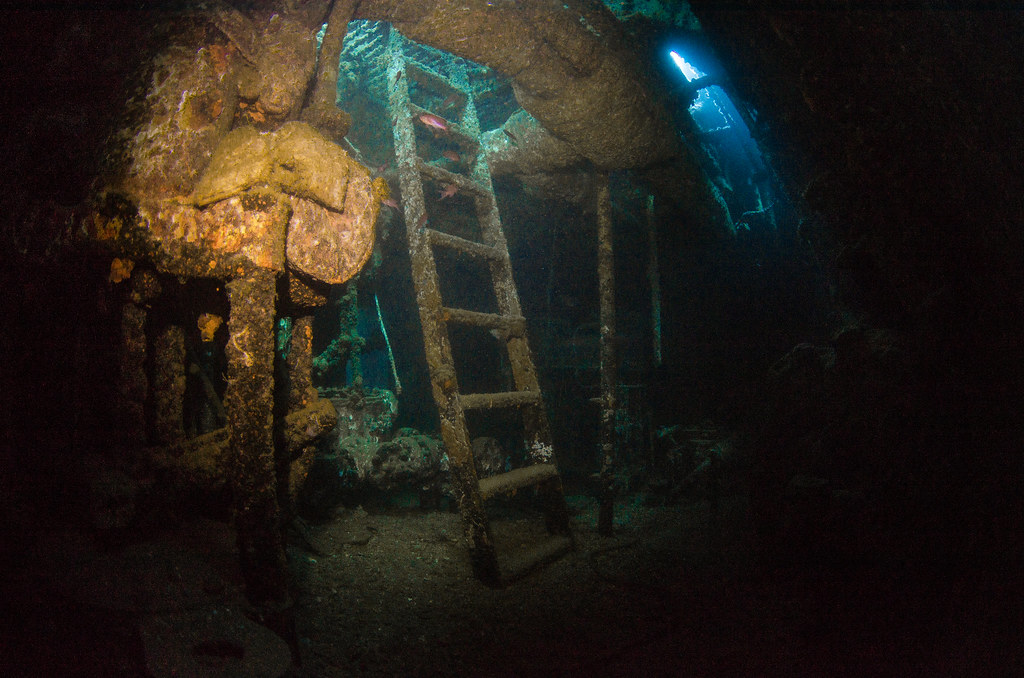
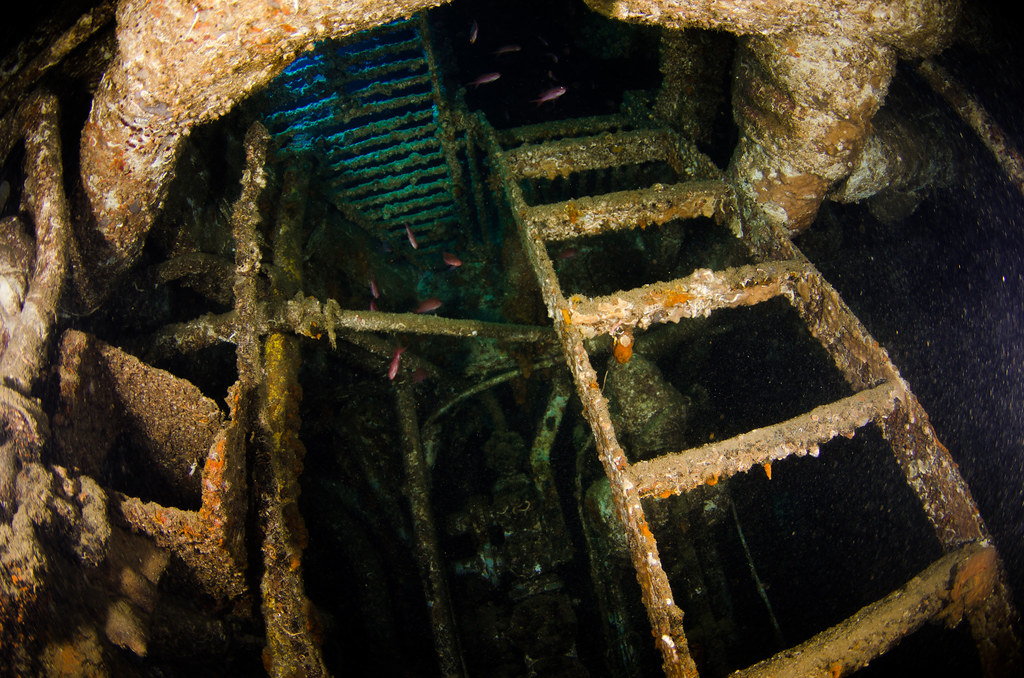
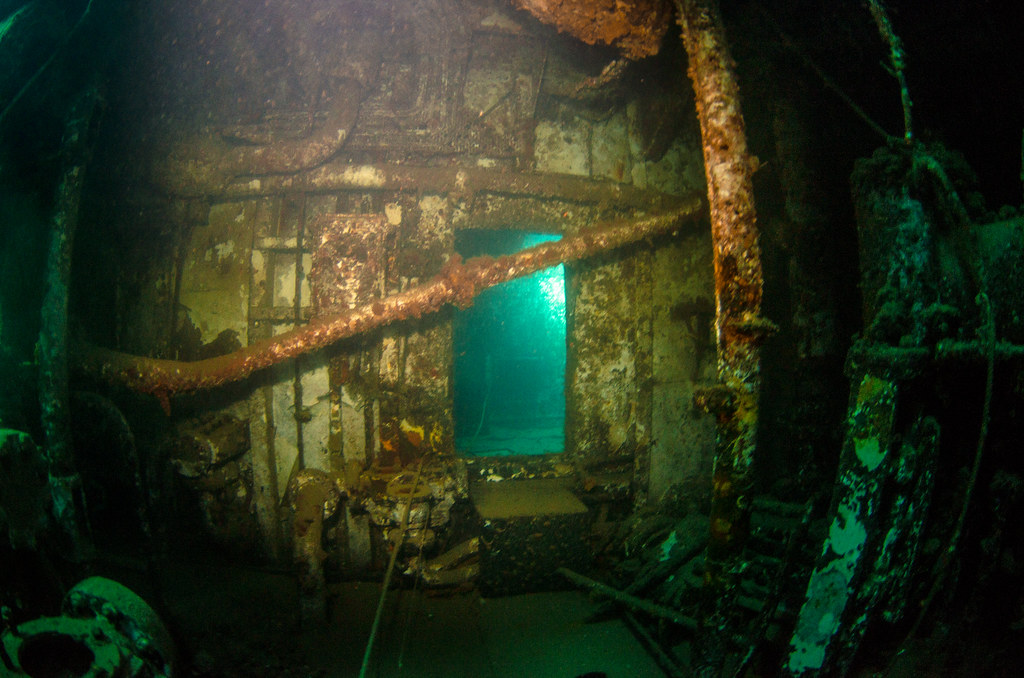
Gibraltar is particularly well known for its artificial reef and wreck diving, with several purpose-sunk vessels creating thriving underwater habitats. Over time these wrecks have become home to many species of fish and invertebrates, making Gibraltar one of the best places for wreck diving in southern Spain and the Strait of Gibraltar region.
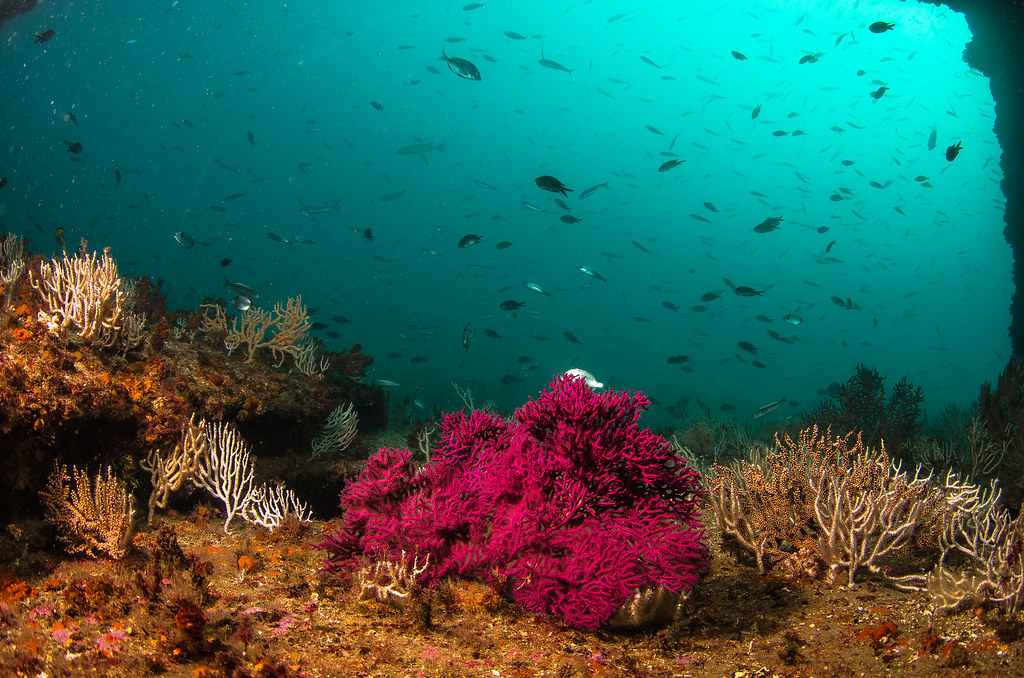
Dive sites around Gibraltar typically feature rocky reefs, sandy seabeds and large wreck structures. Divers frequently encounter moray eels, octopus, scorpionfish, nudibranchs, cuttlefish and large schools of Mediterranean fish. Visibility can vary depending on currents and weather, but the diversity of marine life makes these dives highly rewarding.
Many dive sites in Gibraltar are suitable for Advanced Open Water divers, although some shallower sites can also be enjoyed by less experienced certified divers.
1. The Rosia Bay Artificial Reef
Rosia Bay is one of the most popular scuba diving sites in Gibraltar and forms part of the area’s artificial reef system.
Several vessels have been deliberately sunk here to create an underwater habitat that now supports a large variety of marine life. The wreck structures provide shelter for fish, crustaceans and other marine species, making this site excellent for underwater photography.
Typical depths range between 12 and 18 metres, allowing for longer dives while exploring the wreck structures and surrounding reef.
2. The Europa Point Dive Area
Europa Point lies at the southernmost tip of Gibraltar and offers dramatic underwater scenery created by rocky reefs and drop-offs.
Currents moving through the Strait of Gibraltar bring nutrients that attract schools of fish and other marine life. Divers exploring this area may see groupers, bream, barracuda and other Mediterranean species moving along the reef structures.
The varied underwater terrain provides an exciting dive with plenty to explore.
3. Camp Bay and Little Bay
Camp Bay and Little Bay are two accessible dive sites that form part of Gibraltar’s expanding artificial reef system.
These sites include several intentionally sunk vessels and structures designed to encourage marine life and improve the local ecosystem. Over time they have become thriving underwater habitats filled with fish, octopus and other Mediterranean species.
With relatively moderate depths and interesting wreck structures, these dives are popular with divers visiting Gibraltar for wreck and reef exploration.
The varied underwater terrain provides an exciting dive with plenty to explore.
Diving Gibraltar with Wahoo Divers Malaga. The waters surrounding Gibraltar are famous for their artificial reefs and historic shipwrecks, making it one of the most interesting locations for wreck diving in southern Spain. The mix of Mediterranean and Atlantic waters creates a rich marine environment where divers can encounter conger eels, octopus, nudibranchs, groupers and large schools of fish.
Many of the wrecks around Gibraltar have become thriving artificial reefs that support a diverse range of marine life. Wahoo Divers Malaga regularly organises dives to explore these fascinating wreck sites, offering divers the chance to experience some of the most unique wreck diving in the Strait of Gibraltar.